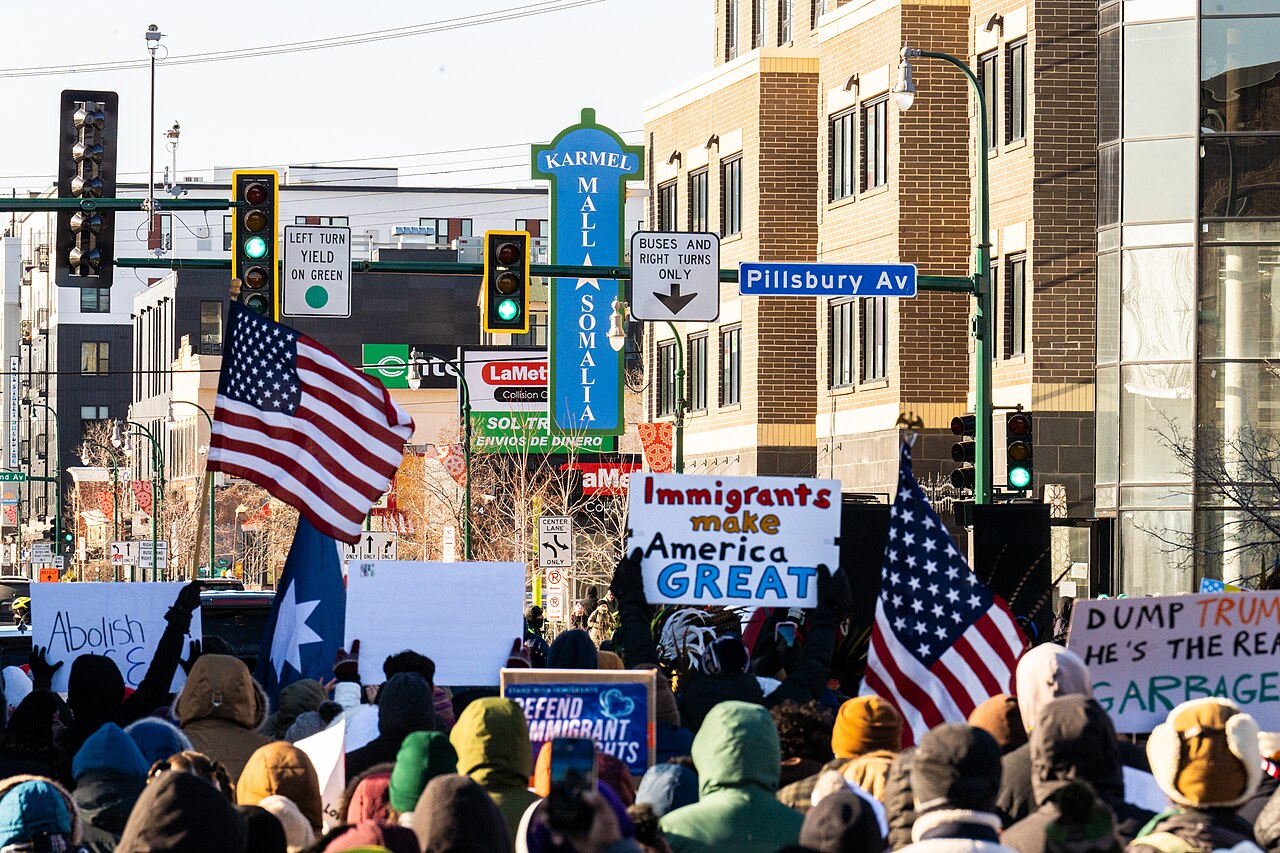
Dressed in gym shorts, T-shirt with the Reebok insignia, and holding 10-lb dumbbell weights in his hands, my gym buddy said, frowning,
“I don’t understand what’s the matter with those Somalis. It’s just wrong they should come here on our dollar, then don’t try to be good Americans. You know, assimilate. They should speak our language.”
I didn’t respond.
“I mean they just come here and take advantage of what we’ve got to offer and just bunch up together in Minnesota. There should be a program to spread them out, get into the country.”
He might not have known it, but he was talking about the USRAP – United States Refugee Admissions Program. It hit its stride in 1980 when the Vietnamese were resettling here. Since then, over 3 million refugees have come to the United States after we have judged their group to be sufficiently killed, decimated or otherwise abused to warrant entry.
The U.S. has not always been so kind to refugees. 937 of them aboard the liner St. Louis, mostly Jews, were turned away by immigration authorities and returned to Europe in 1939 to face the Nazis. No USRAP for them.
I considered that if the Somali refugees had known about Minnesota winters, they might have been more hesitant about getting on a plane at the Mogadishu airport. They might have wondered who the “Minnesota Vikings” were, since Lief Erikson never made it to the Horn of Africa. Being Muslims, they had probably never met Lutherans.
They certainly would not have known about ICE.
My ancestors were refugees of a sort. They were Scots of the Clan MacGregor who had hung around Glen Orchy since the 9th century. They led normal Scots’ lives as crofters, raising sheep, eating haggis and poaching the King’s deer on occasion. Since they were handy with the claymore and stashed a dirk in their socks, they had a side hustle renting themselves out to other clans who were scuffling with each other. Our clan’s most famous member was Rob Roy, considered an outlaw by the English. What with Rob Roy, the poaching and the clan’s general unruliness, the English were cross with them. The British Parliament banned the name McGregor in the 17th century, branding my clansmen personea non gratae.
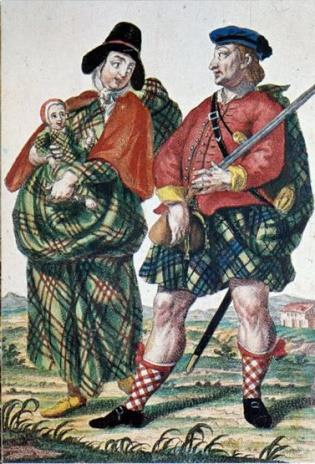
Feeling abused, my ancestors headed for Ireland, where people had a language and a culture akin to theirs. Again, they had to deal with the ruling English, a prissy lot with an authoritarian streak. In the early 1700s they hiked up their kilts and went to North Carolina in the American colonies. Even there, the English King was still a burden. Scots joined the revolution.
This is as good a time as any to insert a children’s counting rhyme that my ancestors brought to North Carolina with them from Old Blighty. My family used it instead of “Eeny, meeny, miney, moe.”
One-ery, Orey, hickory Ann
Fillison, Follison, Nicholas, John
Queavy, qwavey, English navy
Zingalum, zangalum, bolum, buck
Immigrants have come to America like ocean waves rolling one after the other into shore. They have come for economic reasons like the Chinese, the Irish and the Italians. In the case of the Somalis, they came because the staccato burst of AK-47 gunfire had become a regular feature of the day, or in the case of Ashkenazi Jews, a Cossack in army boots threatened to kick down their door at night.
My gym buddy took offense at the new arrivals clumping up together in ghettos and failing to assimilate. Whether you are Pilgrims landing at Plymouth Rock or Italians disgorged from Ellis Island into the raucous, chaotic streets of New York, you must take time to assess a strange new place. You tend to hang with your own peeps for a generation or two.
In modern times, refugee Cubans squatted in Hialeah. Refugee Hmong brought in by USRAP created colonies in California, North Carolina and Minnesota (a cold place with warm hearts). Refugee Vietnamese wound up in California and Texas. Retiring Republicans went to The Villages and to Naples in Florida. Boston Red Sox fans went wherever they wanted and made much of themselves.
My ancestors, the Scots, were a restless, feisty bunch and, once they landed, kept heading inland. They were fortunate in that they spoke English, after a fashion.
There are plenty of Americans with whom I would not like to assimilate. I would not hold it against refugees if they did not immediately join book clubs, the Moose Lodge, or take up line dancing. Costco or Sam’s Club would be the better bet.
Refugee children soon are saying, “Like, she was, like, so into me” in no time at all. A Vietnamese kid playing in his first little league game will shout from the bench to his team’s batter, “Ducks on the pond!” with men on base. When it comes to assimilation, our language and culture is Godzilla, devouring all before it. Posters of Michael Jordan and Muhammed Ali are likely hanging on the walls of yurts in Mongolia.
People arriving at Ellis Island had it in common that they had what it takes to “un-ass the real estate,” as my friend Colonel Jim once said. Other folks in the village or the shtetl shook their heads as O’Brien or Isaacson gathered up their belongings and family and took the wagon to the railway station with enough in pounds or rubles for passage to Ellis Island and America. “Such a risk,” they tsk, tsked. The result is that America largely became a country of risk-takers, of opportunists. USRAP refugees fleeing death and loss had little choice in the matter. It is logical they would see America through a slightly different lens, that of a last hope, a last chance.
One group came here through no choice of their own. They were not fleeing. They were not looking to make a buck or feed their family. That would be slaves. But they have made lemonade out of lemons, and we are blessed with gifts from Thurgood Marshall and Martin Luther King to Bo Diddly and Rock and Roll. That’s what I am talking about.
Featured Images: Chad Davis, Creative Commons; Martin Englebrecht, creative commons
 Marshall Craig
👍👍Sent from my iPhone
LikeLike
Marshall really enjoyed the thought and effort you put into your blog. Suggestion for next month. “What’s Becoming of America?”
Marty ________________________________
LikeLike